|
$109.44
In Stock
SYSTEM REQUIREMENTS:
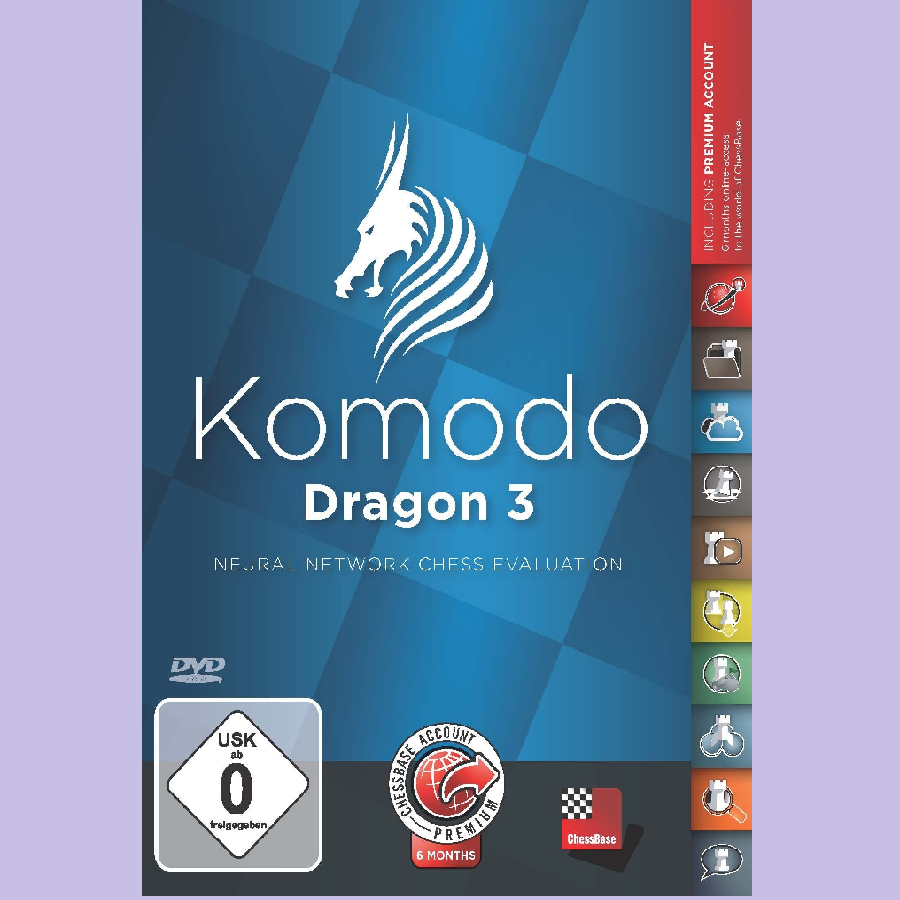
Minimum: PC Intel i3 or i5 or Ryzen 3, 4 GB RAM, Windows 8.1 (32- or 64-Bit), DirectX11, graphic card with 512 MB RAM, DVD-ROM drive (not required in download version), Windows Media Player and Internet access. Recommended: PC Intel i7, i9 or Ryzen 7/9, 8 GB RAM, Windows 11 or 10 with 64-Bit, Windows Media Player, graphic card with 1 GB RAM, RTX graphic card for real time Raytrace board, DVD-ROM drive and Internet access. For ChessBase ACCOUNT: Internet access and up-to-date browser, e.g. Chrome, Safari. Runs on Windows, OS X, iOS, Android and Linux!
In Indian culture, food plays a significant role in daily life and is often an integral part of social and cultural gatherings. Mealtimes are considered sacred, and food is often served with great ceremony and hospitality. The concept of "atma-satisfaction" or "self-satisfaction" is deeply rooted in Indian culture, and is often associated with the pleasure of eating.
Indian cuisine has evolved significantly over the years, with modernization and globalization leading to the creation of new dishes and cooking styles. Many Indian chefs have experimented with traditional recipes, incorporating new ingredients and techniques to create innovative and fusion cuisine.
Indian lifestyle and cooking traditions are deeply rooted in the country's rich cultural heritage. The diverse and vibrant culture of India is reflected in its culinary practices, which vary greatly from region to region. Indian cuisine is known for its bold flavors, aromas, and spices, and is often characterized by the use of a wide range of ingredients, including turmeric, cumin, coriander, and chili peppers.
Indian lifestyle and cooking traditions are a reflection of the country's rich cultural heritage and diversity. From regional specialties to traditional cooking methods, the use of spices and ingredients, and the influence of Ayurveda, Indian cuisine is a vibrant and complex reflection of the country's history and culture. As Indian cuisine continues to evolve and modernize, it remains an integral part of Indian life and culture.
In Indian culture, food plays a significant role in daily life and is often an integral part of social and cultural gatherings. Mealtimes are considered sacred, and food is often served with great ceremony and hospitality. The concept of "atma-satisfaction" or "self-satisfaction" is deeply rooted in Indian culture, and is often associated with the pleasure of eating.
Indian cuisine has evolved significantly over the years, with modernization and globalization leading to the creation of new dishes and cooking styles. Many Indian chefs have experimented with traditional recipes, incorporating new ingredients and techniques to create innovative and fusion cuisine.
Indian lifestyle and cooking traditions are deeply rooted in the country's rich cultural heritage. The diverse and vibrant culture of India is reflected in its culinary practices, which vary greatly from region to region. Indian cuisine is known for its bold flavors, aromas, and spices, and is often characterized by the use of a wide range of ingredients, including turmeric, cumin, coriander, and chili peppers.
Indian lifestyle and cooking traditions are a reflection of the country's rich cultural heritage and diversity. From regional specialties to traditional cooking methods, the use of spices and ingredients, and the influence of Ayurveda, Indian cuisine is a vibrant and complex reflection of the country's history and culture. As Indian cuisine continues to evolve and modernize, it remains an integral part of Indian life and culture.