Select this store if you are based in the EU, or another country not covered by the other stores.
Orders are dispatched from the VIRPIL EU HO based in Lithuania.
Select this store if you are based in the EU, or another country not covered by the other stores.
Orders are dispatched from the VIRPIL EU HO based in Lithuania.
Select this store if you are based in the UK.
Orders are dispatched from the VIRPIL UK distribution warehouse based in the United Kingdom.
Select this store if you are based in the US, Canada or Mexico.
Orders are dispatched from the VIRPIL US distribution warchouse based in Florida, United States.
volutpat odio facilisis mauris sit amet massa vitae tortor condimentum lacinia quis
volutpat odio facilisis mauris sit amet massa vitae tortor condimentum lacinia quis
Select this store if you are based in the EU, or another country not covered by the other stores.
Orders are dispatched from the VIRPIL EU HO based in Lithuania.
Select this store if you are based in the UK.
Orders are dispatched from the VIRPIL UK distribution warehouse based in the United Kingdom.
Select this store if you are based in the US, Canada or Mexico.
Orders are dispatched from the VIRPIL US distribution warchouse based in Florida, United States.
volutpat odio facilisis mauris sit amet massa vitae tortor condimentum lacinia quis
volutpat odio facilisis mauris sit amet massa vitae tortor condimentum lacinia quis
Mambo's early days were marked by a fusion of traditional Cuban music, Afro-Cuban rhythms, and American jazz. The genre was born out of the cultural melting pot of Havana, where musicians and dancers from diverse backgrounds came together to create something new and exciting. The name "Mambo" is derived from the Congo language, meaning "talk" or " conversation." This aptly describes the dance style's emphasis on dialogue-like movements between partners.
Today, Mambo is enjoyed by dancers and audiences worldwide. The dance style has evolved to incorporate new rhythms and styles, while maintaining its traditional essence. Modern Mambo dancers continue to innovate and push the boundaries of the dance, experimenting with new movements and techniques.
Mambo is characterized by its fast-paced, energetic rhythms and intricate footwork. The dance style is marked by quick, complex steps, often performed to the rhythm of percussion instruments like congas, timbales, and bongos. Mambo dancers are known for their dynamic movements, hip action, and playful energy. mambo perv free
Mambo, a dynamic and energetic dance style, has been a staple of Latin American culture for decades. Originating in Cuba in the 1930s, Mambo has evolved over the years, influenced by various musical and dance traditions. Despite its popularity and widespread appeal, Mambo has managed to maintain its unique identity, free from pervasive influences that might compromise its artistic integrity.
Despite its global popularity, Mambo has managed to maintain its artistic integrity. Unlike some other dance styles, Mambo has avoided the pervasive influences of commercialization and homogenization. Mambo's early days were marked by a fusion
Mambo is a unique and captivating dance style that has maintained its artistic integrity despite global popularity. By emphasizing tradition, improvisation, and creativity, Mambo dancers and instructors have ensured that the dance style remains free from pervasive influences.
As a result, Mambo continues to thrive, inspiring new generations of dancers and audiences alike. Whether you're a seasoned dancer or just discovering the world of Latin American dance, Mambo is a style that's sure to captivate and energize. So why not give it a try, and experience the vibrant energy of Mambo for yourself? Today, Mambo is enjoyed by dancers and audiences worldwide
The rise of social media has also helped to promote Mambo, with online tutorials, dance competitions, and performances showcasing the dance style's energy and creativity. As a result, a new generation of dancers has discovered Mambo, and the dance style continues to thrive.
FLIGHT CONTROLS FOR VIRTUAL PILOTS. BY VIRTUAL PILOTS.
VIRPIL Controls is a project created by passionate flight-sim enthusiasts looking to revolutionise the sim controller market. Since 2016 we have worked tirelessly to bring highly versatile, high precision, exciting controllers to the market.
With market leading customer service, and new manufacturing facilities within the European Union - we're breaking the mould with our unique approach.
VIRPIL Controls have secured their position as a top choice for sim and professional pilots alike around the world!







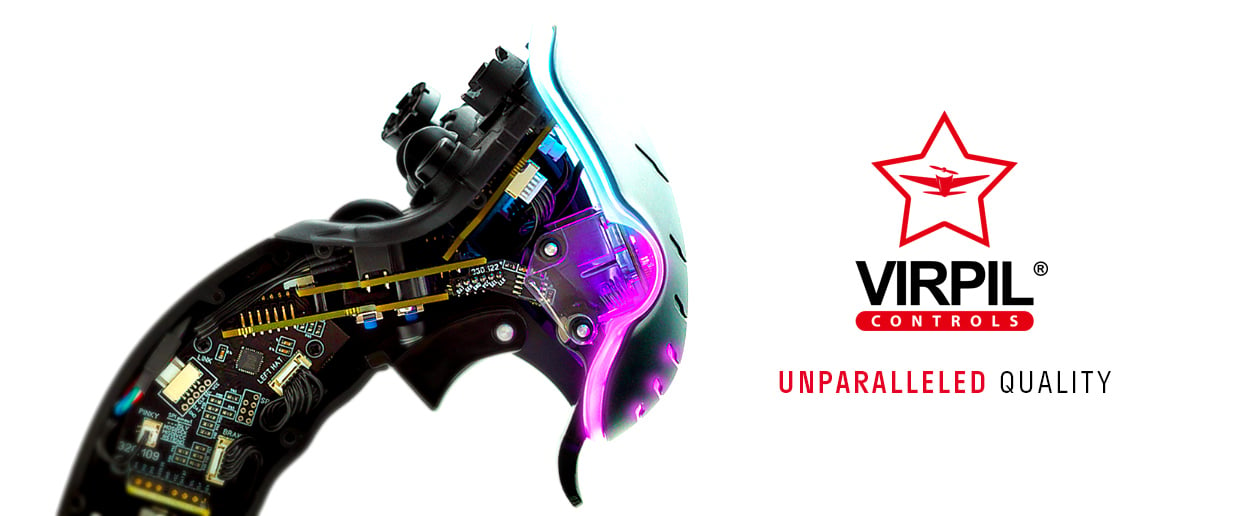
VIRPIL Controls is the first choice for advanced flight simulator equipment! Manufactured in our EU facility, our products demonstrate unparalleled quality and incorporate our knowledge as flight simulator experts.
With our secure payment system, multiple reliable shipping options, and unbeatable customer support, you can feel confident in building your dream simpit with VIRPIL Controls.