Skacat Sarada Rising 18 113 Mod Polnaa Ve New Apr 2026
Edit, transform and enhance photos with text prompt
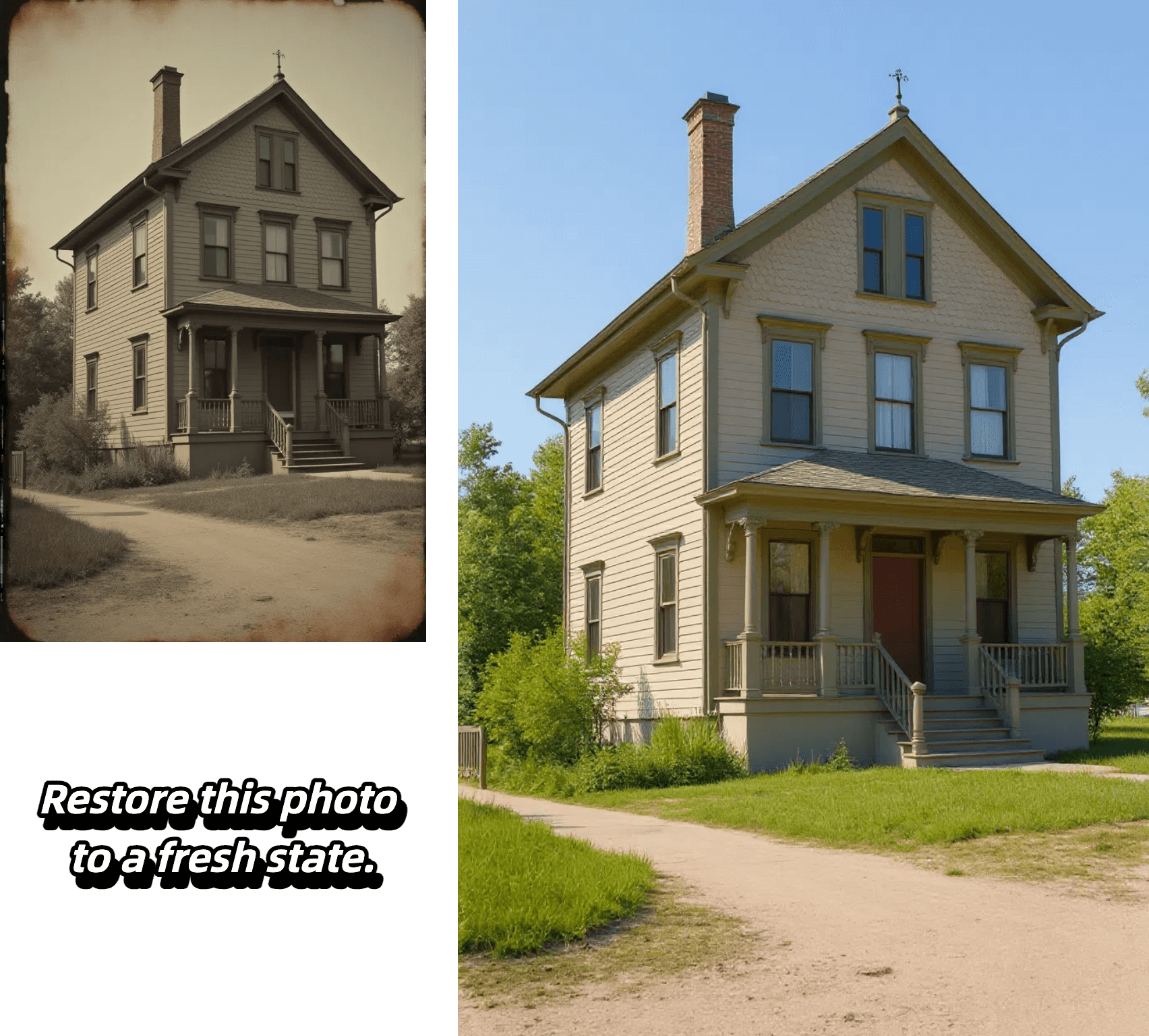
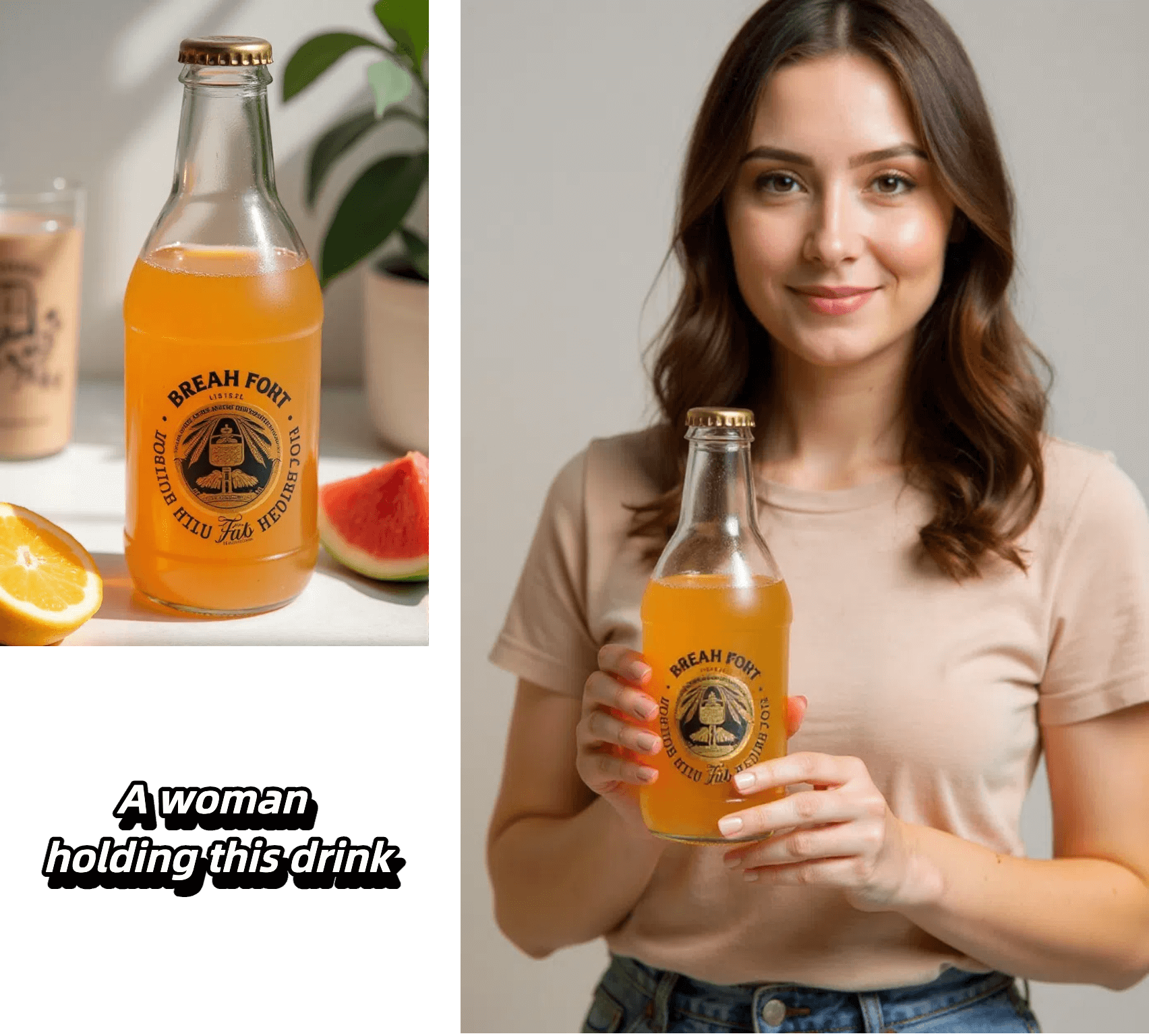
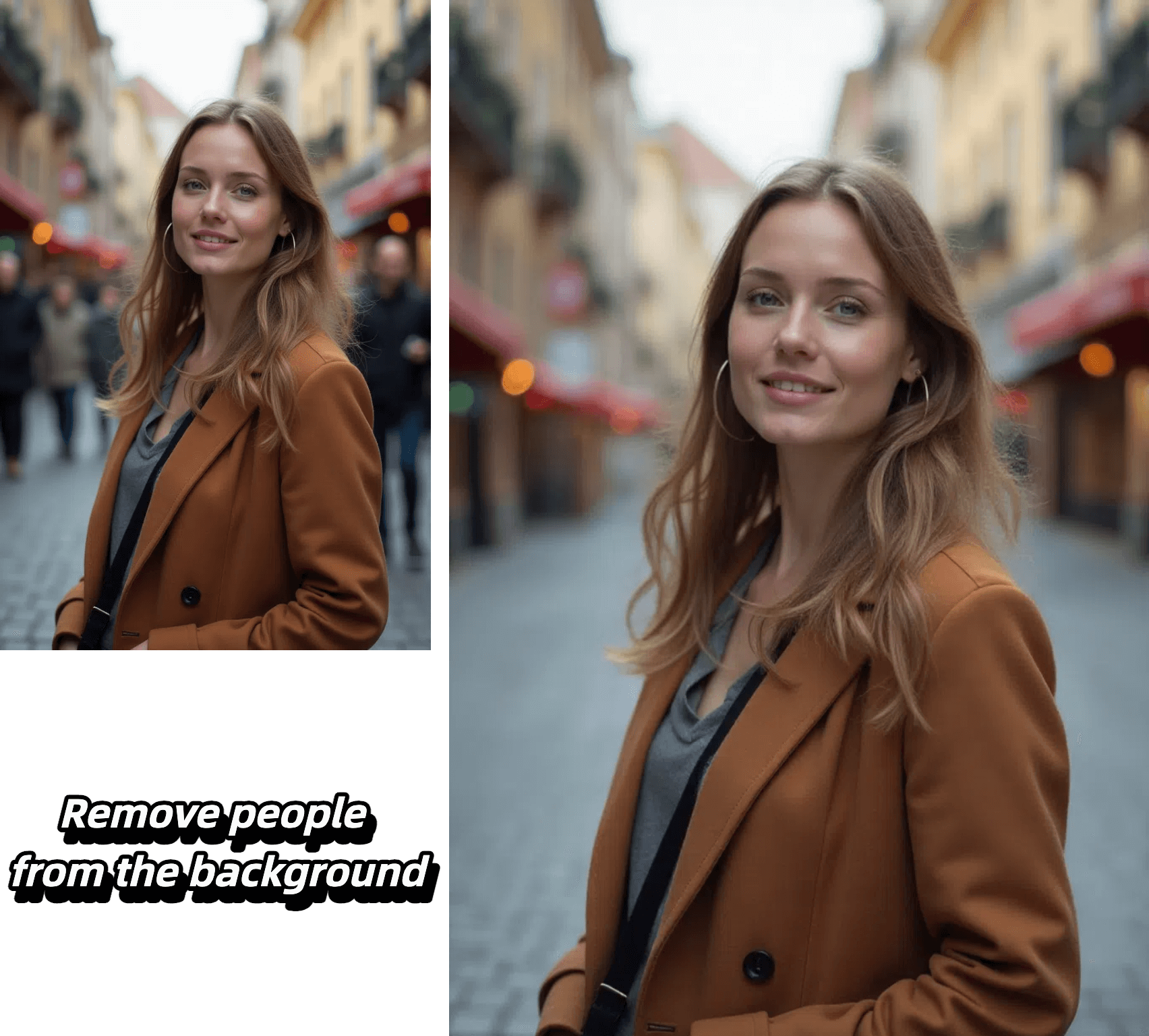
Edit, transform and enhance photos with text prompt
Alter poses, outfits, or backgrounds while our AI keeps your character's face, proportions, and style perfectly consistent from frame to frame.
Select any region—eyes, sky, or logo—and refine it with pixel-level accuracy. Our model isolates the area and applies exactly the adjustment you specify, leaving the rest untouched.
Insert crisp, naturally integrated text into photos in seconds—perfect for captions, call-outs, or branding—without tedious masking or layering.
Upload a reference image, choose a style, and let the AI recreate your photo with matching colors, textures, and mood while preserving key composition details.
Experience effortless image editing with our AI-powered process:

Select the AI model that best suits your editing needs. Each model is optimized for different types of transformations.
Start by uploading your image. We support JPEG, PNG, GIF, or WEBP formats up to 20MB and 4096 x 4096 pixels. For best results, use clear, high-quality images.
Tell our AI exactly what changes you want to make. Be specific about your desired edits - from changing backgrounds to adjusting styles and effects.
Generate multiple variations of your edited image, review the results, and select your favorite outputs. Download your transformed images in high quality.
Discover the advantages that make our platform the smart choice for AI-powered image editing:
Our AI precisely maintains character features, facial details, and core elements while applying transformations. Whether editing backgrounds, poses, or styles, your subject's key characteristics remain perfectly consistent.
Target specific areas with pixel-level accuracy - from eyes to backgrounds to logos. Our AI isolates and modifies exactly what you specify while intelligently preserving surrounding elements.
From seamless text integration to style transfers, our platform offers comprehensive editing capabilities. Transform images with reference-based styling, add natural-looking text, and modify everything from colors to lighting with precise control.
Generate multiple high-quality variations in seconds, perfect for rapid prototyping and commercial projects. Create content ready for marketing, branding, social media, and more without complex editing software.
Moreover, the movement has sparked intergenerational dialogue. Young designers like and Maja Kaczkowska are collaborating with elderly craftswomen, ensuring that techniques like tuszowanie (wool painting) or cętki (embroidery) endure. These partnerships foster pride among Poland’s youth, who increasingly seek connection to their heritage in an era of rapid cultural homogenization. **V
I need to structure the essay with an introduction, historical context, analysis of the modern interpretation ("Mod Polnaa Ve New"), cultural implications, and conclusion. I'll need to address how tradition meets modernity, the influence of globalization on fashion, sustainability in using traditional materials, and the role of art in cultural preservation. skacat sarada rising 18 113 mod polnaa ve new
Historically, folk fashion was preserved through domestic textile practices, with women passing down stitching and dyeing techniques across generations. However, the 20th century saw a decline in everyday use of traditional attire, as urbanization and industrialization introduced Western fashion. This decline prompted a crisis in cultural preservation but also sparked a revival movement in the latter half of the 20th century, with figures like Henryk Tomaszewski using folk motifs in contemporary art and design. The term "Skacat Sarada Rising 18 (113)" appears to refer to a project or phenomenon representing the resurgence of Polish folk aesthetics. While "Skacat" may be a phonetic rendering of a Polish or regional term (or a misspelling of "szkocja," meaning "Scot" in English, suggesting a fusion with Scottish styles?), the phrase "Rising 18 (113)" likely denotes an iterative evolution. The "18" could signify the 18th year of a movement (e.g., 2018, a pivotal year in cultural policy), while "113" might indicate a version number or a symbolic code (e.g., 1.13 as a decimal). This project embodies the "Rising" of a new wave of designers reinterpreting folk elements for modern audiences. **V I need to structure the essay with
The phrase "Skacat Sarada Rising 18 (113), Mod Polnaa Ve New" encapsulates a fascinating intersection of cultural heritage, contemporary design, and generational innovation. While the term may initially seem enigmatic, it invites a deeper exploration of how traditional Polish folk aesthetics are being reimagined in modern fashion. This essay delves into the historical roots of Polish "moda folklorystyczna" (folk fashion), examines the contemporary reinterpretation of these traditions as exemplified by "Mod Polnaa Ve New," and analyzes the socio-cultural implications of this evolving movement. By contextualizing the phrase within the broader narrative of cultural preservation and innovation, we uncover the dynamic interplay between the past and present in the realm of Polish fashion. I. Historical Context: The Roots of Moda Folklorystyczna Polish folk fashion, or moda folklorystyczna , has long been a repository of regional identity, with distinct styles emerging from the country’s diverse provinces. The mod polska (Polish traditional dress), particularly the kamela in the south and the kołodziejka in the east, incorporates intricate embroidery, wooden buckles, and natural fibers like linen and wool. These garments were not merely sartorial choices but symbolic expressions of community, status, and spirituality. However, the 20th century saw a decline in